
Recognizing Lawn Issues Caused by Grubs and How to Fix Them
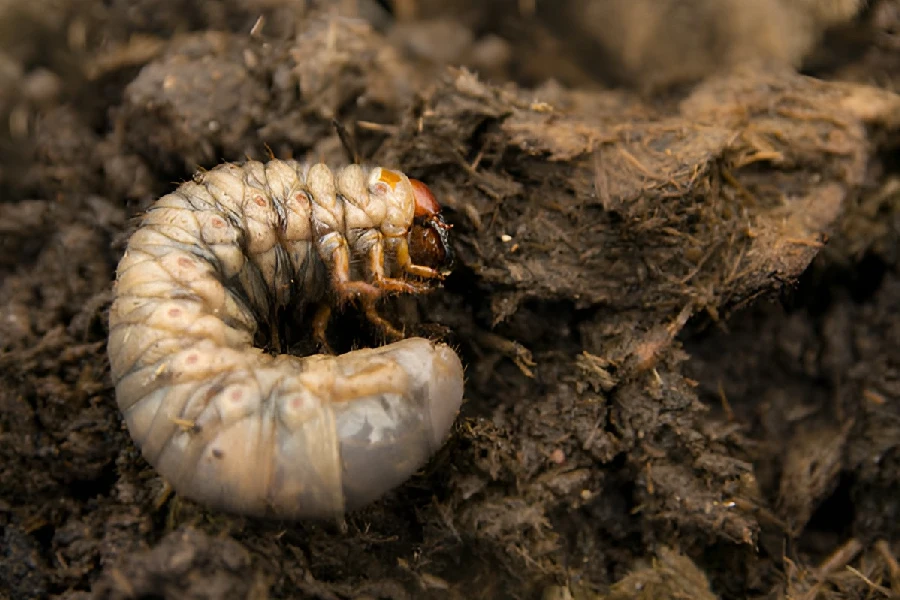
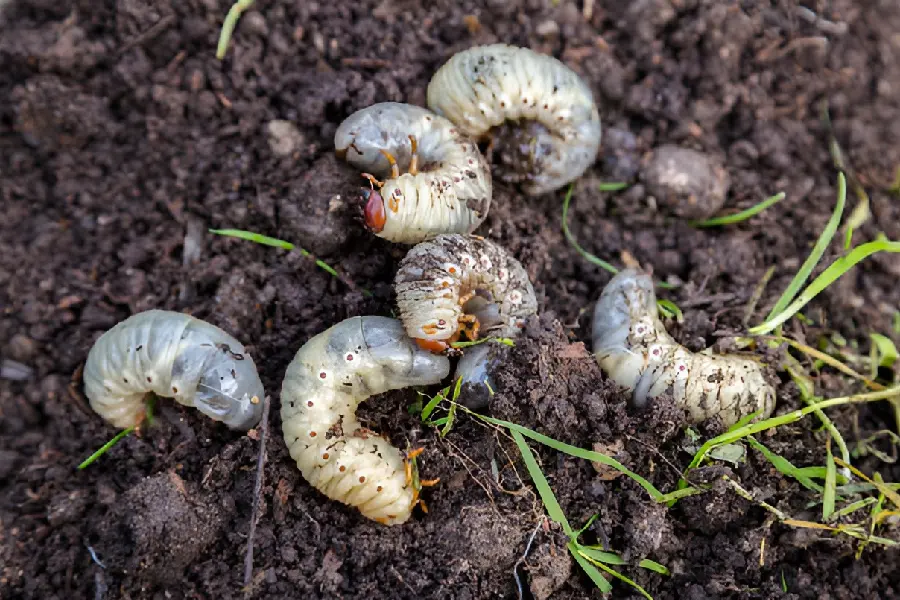
Grubs are small, white beetle larvae that live in the soil beneath your lawn. They feed on grass roots, leading to significant damage if not addressed promptly. Recognizing the signs of grub damage early can save you time and money in restoring your lawn’s health. This guide will help you identify common indications of grub infestation and provide effective tips for lawn recovery, ensuring a lush, green yard.
Identifying Symptoms of Grub Damage
The first step in addressing grub issues is recognizing their symptoms. Look for patches of brown or dead grass that lift easily from the ground like a carpet. This is because grubs sever the roots, detaching the grass from the soil. Also, be alert for an increase in birds or small animals digging at these areas, as they are searching for grubs to eat.
The Role of Grub Control
Once you’ve identified grub damage, implementing grub control measures becomes crucial. These methods involve using products specifically designed to reduce or eliminate grubs from your lawn. It’s essential to apply these treatments at the correct time, usually late summer, when grubs are most active near the soil’s surface.
Protecting Your Lawn With Preventative Measures
In addition to direct treatment, preventative measures play a critical role in lawn care. Regular maintenance such as proper mowing, watering, and fertilization can strengthen grass roots and make them more resilient against grub infestations. Furthermore, aerating your lawn improves root health and allows water and nutrients to penetrate deeper into the soil.
- Mow your lawn regularly and keep it at an optimal height
- Water deeply but infrequently to encourage deep root growth
- Aerate your lawn annually to enhance soil health
Using Natural Solutions for Grub Management
If you prefer organic solutions, consider introducing beneficial nematodes. These microscopic worms attack grubs without harming your grass. Another natural option is applying milky spore powder, which targets grubs during their larval stage and provides long-term protection.
The Importance of Consistent Monitoring
To prevent future infestations, consistent monitoring of your lawn is crucial. Check your lawn regularly for signs of stress or damage, especially after dry spells or heavy rainfalls which make conditions favorable for grubs. Early detection can significantly reduce the impact on your lawn.
Recovering From Severe Grub Damage
In cases where grub damage is severe, re-seeding might be necessary. Choose hardy grass varieties that thrive in your climate zone. Prepare the soil by removing any dead grass and amending with compost to enrich it before seeding. Keep the area moist until new growth appears.
- Remove affected sod and inspect soil condition
- Amend soil with nutrient-rich compost
- Choose appropriate seed mix for your region
- Keep newly seeded areas consistently watered
Effective Strategies With Recovery and Prevention
Combining both immediate action and preventive strategies ensures long-term success in maintaining a healthy lawn free from grub damage. By understanding warning signs, employing effective treatments like grub control, and adopting ongoing lawn care practices, you protect your investment in landscaping beauty.
Partnering With Experts for Lawn Care Success
For professional guidance and support, reach out to specialists who understand regional challenges. Located in Saginaw, MI, we offer tailored solutions to maintain vibrant lawns. Trust Silver Clean-Up Lawn Maintenance for expertise in pest management and lawn restoration techniques. Call (989) 414-9293 today to learn how our services can transform your outdoor space.